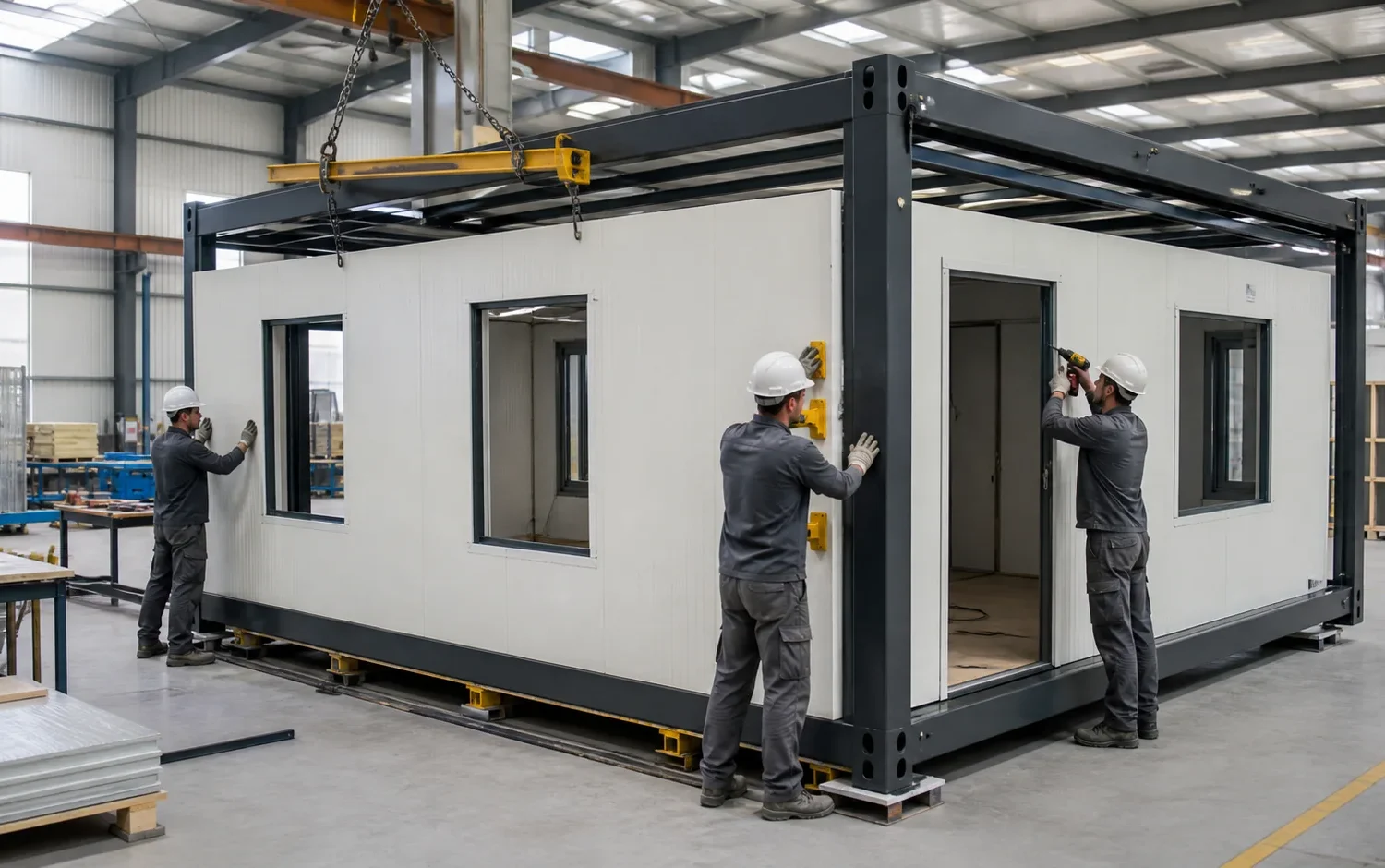
Shipping and site preparation should be planned while the order specification is being confirmed, not after production is finished. The transport form affects loading, unloading, storage, lifting and the amount of work that remains at the destination.
This checklist is a coordination tool. Final transport, lifting, foundation, installation and compliance decisions should be prepared by qualified parties for the actual product, route and site.
Confirm the delivery boundary
Write down where the supplier responsibility ends and where the buyer, freight forwarder, customs broker or local installer takes over. Confirm the trade term, named place or port, included freight, insurance responsibility, destination charges and document handover. The contract should control if any general guidance conflicts with the order.
Match the shipping plan to the exact product version
Ask for package dimensions, weight information, loading method, quantity per shipment and handling instructions for the confirmed configuration. Do not reuse loading data from a different size or system. Optional finishes, veranda components, sanitary items or loose accessories may change the packing list.
- Approved product and drawing revision
- Package count, marks and component identification
- Loading sequence and photographic record
- Loose accessories and installation materials
- Handling, stacking and storage instructions
Review the complete delivery route
Check the route from the port or local depot to the project site. Consider road width, turns, bridges, overhead restrictions, gates, working hours and space for the delivery vehicle. Confirm restrictions with the relevant transport providers and local authorities where required.
For factory-finished or larger modules, route and lifting constraints may be especially important. For flat-packed or detachable systems, component storage, identification and weather protection may require more planning.
Prepare unloading and temporary storage
Define who will receive the shipment, check the package marks and record any visible damage. Prepare stable unloading and storage areas before the vehicle arrives. Components should be protected and organized so the installation team can follow the packing list and sequence.
Lifting equipment, rigging, operator qualifications and the lifting plan must be suitable for the actual loads and site. These requirements should be set by responsible local professionals and equipment providers.
Complete foundation and utility planning
The foundation or support arrangement should be designed for the confirmed unit, site conditions and applicable local requirements. Verify levels, positions, access and drainage before delivery. Do not assume a foundation shown in a general marketing image is suitable for another site.
Plan power, water, drainage, communications and any other external connections. Identify connection points on the approved drawings and clarify which materials and work are supplied locally.
Prepare the installation team
Confirm the number and skills of workers, supervision responsibility, tools, access equipment, temporary power, safety controls and installation sequence. Ask the supplier which instructions, drawings or remote support are included and in what language they will be provided.
If several modules will be combined, plan the installation order, alignment, weather sealing, corridors, stairs and external works as one coordinated sequence.
Check documents before dispatch
The exact document set depends on the contract and route. Common order records may include the commercial invoice, packing list, transport document, approved drawings, component list, inspection records and agreed certificates or declarations where applicable. Confirm document names and responsible parties before shipment.
Arrival-day checklist
- Confirm delivery time, site contact and vehicle access.
- Check unloading area, equipment, crew and safety controls.
- Match package marks and quantities to the packing list.
- Photograph package condition before and during unloading.
- Record shortages or visible damage using the agreed process.
- Move components to the planned storage or installation sequence.
- Keep drawings and installation information available to the site team.
Connect factory and site records
A clean handover links the final drawings, packing list and factory records to what the site team receives. Review the Putian manufacturing workflow, quality checkpoints and product references before preparing your order brief.
Frequently asked questions
Who is responsible for site preparation?
Responsibility depends on the agreed supply scope and contract. The buyer should ensure that competent local parties prepare the site, lifting, utilities and required local approvals.
Can a local team install the building?
That depends on the product system, team capability and the support included in the order. Confirm the installation sequence, tools, supervision and documentation before shipment.
Which shipping documents will be supplied?
The document set depends on the contract, destination and shipping route. List every required document in the order and confirm who prepares, reviews and receives it.